Traveling to Ho Chi Minh City is an unforgettable experience. The vibrant street life, the cultural richness, and the endless energy of the city make it one of Southeast Asia’s most dynamic destinations. But as exciting as travel is, it is also physically demanding. Jet lag, tight muscles, swollen feet, humid weather, and long hours of exploring can all wear you down.
This is why massage for tourists in Ho Chi Minh City has become a popular and genuinely helpful part of many travelers’ itineraries. Massage isn’t only about pampering — it is a practical way to recover, reset, and enjoy the rest of your journey to the fullest.
Below is a complete guide divided into 5 detailed parts, explaining why massage is essential for tourists, what types you should try, and how to choose the right one.

1. Why Travel Puts So Much Stress on Your Body — And Why Massage Helps
Traveling may be exciting, but it also brings a long list of physical challenges that most tourists don’t even recognize until their body starts complaining. Ho Chi Minh City is large, energetic, humid, and full of activities that require walking, climbing, or carrying things.
Below are the most common stress factors international travelers face.
Jet Lag & Body Clock Disruption
If you’re flying from Europe, the U.S., Australia, or Japan, your body’s circadian rhythm gets disrupted drastically. According to the CDC, symptoms of jet lag include fatigue, poor concentration, headaches, and sleep difficulty.
Massage helps counteract these symptoms by activating the parasympathetic nervous system — the system responsible for rest and recovery. This helps your body relax, adapt to the new time zone, and sleep better during your first nights in Ho Chi Minh City.
Muscle Stiffness From Long Flights
Sitting for 10–15 hours restricts blood flow, especially to your back, neck, and legs. Travelers often arrive with:
stiff shoulders
tight lower back muscles
heavy, swollen feet
locked hips from limited movement
Massage improves circulation and warms up the muscles, helping them regain mobility quickly.
Walking 10,000–20,000 Steps a Day
Ho Chi Minh City is a walking-friendly destination, especially District 1. Many travelers unknowingly walk more than double their usual daily steps. A study published in Scientific Reports found that tourists regularly exceed 10,000–15,000 steps per day.
This explains why foot massage is extremely popular with visitors — these treatments relieve tension, and restore energy after long exploration days.
Heat Fatigue & Humidity Stress
Vietnam’s tropical climate makes it easy to feel tired faster than in cooler places. The humidity adds an extra layer of exhaustion your body has to manage. Massage helps cool down internal stress, improve circulation, and bring the nervous system back to a calmer state.
Mental Stress From Travel Planning
Traveling is fun but mentally demanding:
navigating a busy city
adjusting to cultural and language differences
managing daily itineraries
dealing with transportation
This stress accumulates silently in the neck, shoulders, and jaw. Massage helps release this deeply held tension and gives you mental clarity for the rest of your trip.
2. How Massage Improves Your Health During Your Stay in Ho Chi Minh City
Here’s how those benefits apply directly to tourists.
Improved Circulation
Massage stimulates blood flow, reducing:
heaviness in the legs
muscle soreness after long walks
Better circulation means quicker recovery, so you wake up ready for the next adventure.
Release of Travel-Related Muscle Tension
Whether it’s a long flight or carrying a heavy backpack, certain areas are guaranteed to suffer:
shoulders
lower back
neck
calves
feet
Massage targets these problem zones, softening tight muscles and restoring mobility.
Better Sleep & Faster Jet Lag Recovery
Massage increases serotonin and melatonin levels, which directly improve sleep quality. Many travelers report sleeping deeply after a massage — especially on their first day in Vietnam.
Immune System Support
Travel exposes you to new food, water, bacteria, and climate. Massage activates the lymphatic system, which helps your body detox and stay resilient. A stronger immune system means fewer chances of feeling sick during your holiday.
Mental Balance & Emotional Well-Being
Massage reduces cortisol (the stress hormone) and increases endorphins. This improves:
mood
clarity
relaxation
emotional stability
A calm mind allows you to enjoy the city more fully, especially in a fast-paced destination like Ho Chi Minh City.
3. The Best Types of Massage for Tourists (And When You Should Choose Each)
Not all massages have the same purpose. Here are the most useful types specifically for tourists.
– Foot Massage
Best for: swollen feet, long walking days, heat fatigue
It stimulates pressure points connected to organs and energy pathways. It’s perfect around late afternoon when your legs feel heavy or tired.
– Back, Neck & Shoulder Massage
Best for: post-flight stiffness, backpack pressure, work tension
Short and effective, this massage focuses on the most overworked muscles of any traveler.
– Aromatherapy Massage
Best for: jet lag, insomnia, mental stress
Gentle pressure paired with essential oils helps your body relax deeply and sleep better.
– Shiatsu Massage
Best for: firmer pressure, non-oil experience
Widely appreciated by Japanese and Western travelers, shiatsu uses acupressure to release internal tension.
– Hot Stone Massage
Best for: deep muscle tension
Warm stones melt stiffness and provide intense relaxation — ideal after a long journey or day trip.
– Vietnamese Traditional Massage
Best for: a cultural experience
This style blends stretching, kneading, pressure-point work, and herbal oils — a unique way to connect with local wellness traditions.
4. Practical Tips – Massage for tourists in Ho Chi Minh City
To make the most of your massage for tourists in Ho Chi Minh City, here are helpful, experience-based tips:
Choose Places With Strong Reviews
Check consistency in:
cleanliness
professionalism
pricing transparency
customer reviews
Google Maps, TripAdvisor, and travel forums are reliable sources.
Know What Your Body Needs
Ask yourself:
Do my feet hurt?
Is my back tight?
Am I stressed or jet-lagged?
Choose the massage type accordingly.
Avoid Massage If You Are Sunburned
Vietnam’s sun is strong, especially during tours. Wait until your skin cools down before oil-based treatments.
Stay Hydrated After
Massage activates the lymphatic system. Drinking water helps your body flush toxins and recover faster.
Don’t Schedule Heavy Activities After Massage
Your muscles need time to settle. Avoid intense workouts or long walks immediately after.
Communicate Your Preferences
Tell the therapist if you want:
stronger or lighter pressure
specific areas of focus
areas to avoid
Good communication equals a better experience.
Book Ahead During Peak Hours
Most tourists seek massages around:
2–4 PM (heat recovery)
4–6 PM (after tours)
6–9 PM (end of day)
Booking in advance saves waiting time.
For more ideas on planning your trip and exploring top attractions, you can check the official tourism board:
https://www.vietnam.travel/places-to-go/southern-vietnam/ho-chi-minh-city
Traveling to Ho Chi Minh City is lively, enriching, and full of unforgettable experiences. But long flights, busy itineraries, hot weather, and constant movement can drain your energy more than expected. That’s why massage for tourists in Ho Chi Minh City has become an essential part of healthy, enjoyable travel.
Whether you choose foot massage after a long walking day, a calming aromatherapy massage to fight jet lag, or a traditional Vietnamese treatment to experience the culture — taking care of your body will significantly improve your travel experience.
A massage doesn’t just relax you — it resets you. It gives you the strength to enjoy the food, culture, nightlife, and adventures that Ho Chi Minh City is famous for.
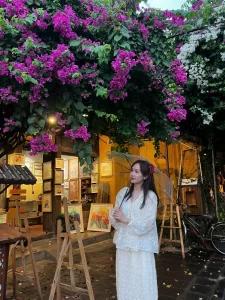

Massage After a Walking Tour: 7 Fixes for Sore Legs
Booking a massage after a walking tour in Saigon? Here is which treatment suits which ache, when to go, and what a Cu Chi or Mekong day really does to you.
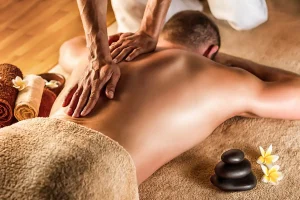
Layover Massage in Ho Chi Minh City: A Smart 6-Hour Plan
Long stopover at Tan Son Nhat? This layover massage in Ho Chi Minh City plan covers the timings, transfer times, luggage and which treatment fits your window.
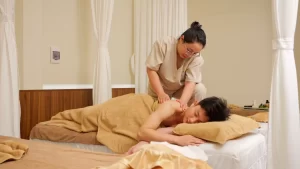
Massage Package in District 1: Which One Fits Your Trip?
Choosing a massage package in District 1? Six combinations compared by trip length, travel companion and time available, with what each one actually includes.
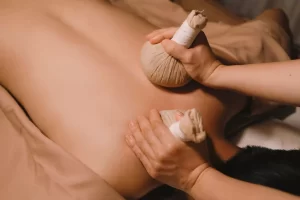
Herbal Compress Massage in Vietnam: 7 Things to Know First
A herbal compress massage uses steamed pouches of Vietnamese herbs and warm pressure. Here is what is inside them, how a 90-minute session runs and who it suits.
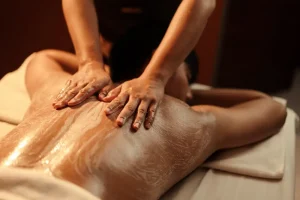
Best Body Scrub for Your Skin: Rice Bran, Coffee or Salt?
Rice bran, coffee or pink salt? Here is how to choose the best body scrub for your skin type in Ho Chi Minh City and what a 60-minute session involves.

Spa Open on National Day 2026: Your 5-Day Saigon Guide
Looking for a spa open on National Day? Siz Spa runs its full menu every day of the 2/9 holiday in District 1. Dates, hours, booking tips and what to try first.