Most people walk into a spa with a specific complaint. Tight shoulders. Heavy legs. A back that’s been protesting since Tuesday. And while massage absolutely helps with all of that, some treatments approach the body from a different angle entirely — not just chasing pain, but paying attention to rhythm, breath, and the deeper patterns of how tension builds in the first place.
That’s what makes Shiatsu massage feel so distinct.
Unlike modern spa treatments that rely on flowing, oil-based strokes, Shiatsu has a quieter, more intentional quality. The movements feel measured. The pressure feels deliberate. Rather than overwhelming the body with intensity, the treatment works gradually — allowing tension to dissolve on its own terms, in its own time.
At Siz Spa & Retreat in District 1, Shiatsu massage has steadily become one of the most sought-after treatments among travelers looking for something that feels genuinely restorative — not just relaxing. And honestly, after spending a few days in the relentless, beautiful chaos of Ho Chi Minh City, that slower pace feels like exactly what the body needed all along.
What Is Shiatsu Massage?
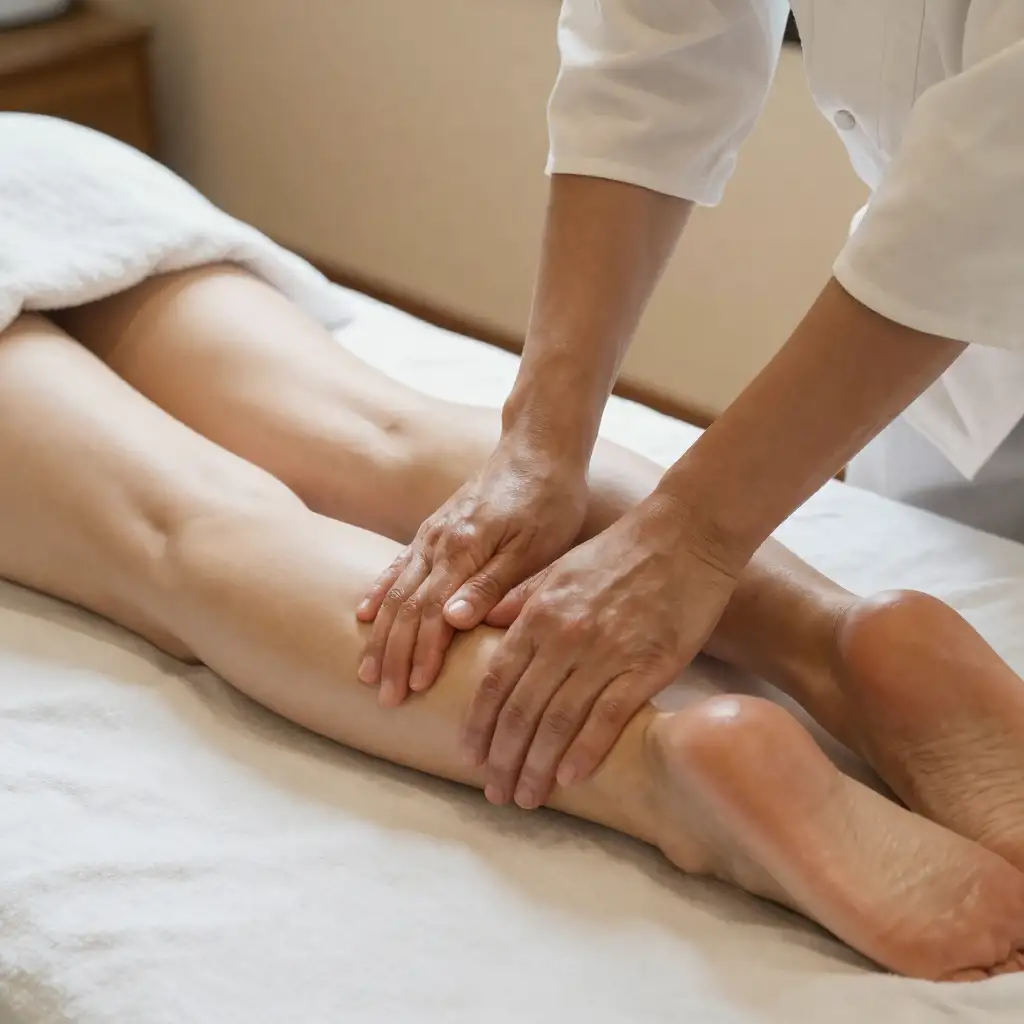
Shiatsu is a Japanese bodywork therapy rooted in the principle of restoring balance through controlled pressure and intentional touch. The name says it plainly: shi (指) means finger, and atsu (圧) means pressure.
In practice, Shiatsu therapists work with fingers, thumbs, palms, and elbows — sometimes incorporating gentle stretches and assisted movement — to apply sustained pressure across specific areas of the body. Crucially, no oil is used. Sessions are performed directly over loose, comfortable clothing, on a massage bed or floor mat. There’s no slipping, no sliding — just focused, grounded contact.
What makes the experience genuinely different is the rhythm.
The pressure isn’t rushed or repetitive. Therapists hold and release gradually, giving the body time to respond naturally rather than forcing it into a reaction. For many guests, the overall sensation is hard to describe at first — grounding is a word that comes up often. So does lighter, and clearer.
Beyond muscle relief, Shiatsu aims to encourage better circulation, improved body alignment, and a measurable reduction in mental tension. That last part tends to surprise first-time guests most.
Why Shiatsu Feels Unlike Any Other Massage
The first thing people notice during a Shiatsu massage session is the pacing.
Where a traditional oil massage tends to build momentum — longer strokes, warming movements, escalating pressure — Shiatsu does something almost opposite. There are intentional pauses. Moments where the therapist simply holds pressure and waits. And in those pauses, something interesting happens: the body stops bracing for what comes next, and actually begins to let go.
That stillness is the technique.
Rather than stimulating the body into relaxation, Shiatsu creates conditions where relaxation occurs naturally. The nervous system settles. Breathing slows. And the accumulated tension from days of travel, noise, and overstimulation quietly begins to lift.
For travelers based in busy areas like District 1, that contrast — between the energy outside and the deliberate calm inside the treatment room — becomes part of the experience itself.
The Philosophy: Treating the Whole Body, Not Just the Sore Parts
Part of what makes Shiatsu massage interesting from a wellness perspective is its holistic view of the body.
Rather than treating tension as an isolated muscle problem, Shiatsu considers how posture, breathing, circulation, and stress all influence one another in a continuous loop. Stiff shoulders often come from how you’ve been holding your breath. Lower back discomfort often connects to how you’ve been standing or sitting for hours on planes and city walks.
Shiatsu massage sessions reflect this understanding. The treatment typically moves through the whole body — not just the area that hurts — incorporating gentle stretches, pressure along specific body pathways, and gradual shifts in positioning. The goal isn’t simply stronger pressure. It’s helping the body return to a more balanced, integrated state.
That’s also why many guests describe the feeling afterward as calming without being sleepy — rested, but present.
Shiatsu vs. Traditional Oil Massage: Which Is Right for You?
Both styles offer genuine value. The choice really depends on what your body needs and what kind of experience you’re looking for.
| Shiatsu Massage | Traditional Oil Massage | |
|---|---|---|
| Technique | Finger, palm & elbow pressure | Long flowing strokes |
| Medium | No oil; performed over clothing | Aromatherapy oils |
| Pacing | Slow, intentional, with pauses | Fluid, continuous movement |
| Focus | Body alignment, pressure points, balance | Muscle relaxation, surface tension |
| Sensation | Grounding, structured, calming | Sensory, warming, fluid |
| Best for | Mental fatigue, posture, overstimulation | Sore muscles, stress relief, skin care |
If you’ve been on your feet all day exploring Ben Thanh Market and you want something that addresses both physical stiffness and mental exhaustion, Shiatsu tends to be the more complete answer.
Why Shiatsu Works So Well for Travelers in Ho Chi Minh City
Travel creates a very specific kind of fatigue — one that’s partly physical and partly sensory.
In Ho Chi Minh City especially, days tend to involve long walks on uneven pavements, crowded streets, irregular sleep, hours on flights or buses, and a near-constant level of ambient stimulation that the brain processes whether you’re aware of it or not. By the time evening comes, the body feels heavy in ways that don’t always show up as a single obvious ache.
Shiatsu addresses this layered fatigue well. Because the treatment works through the whole body — circulation, posture, pressure points, breath — it reaches tension that a purely muscle-focused massage might miss. And because the pacing is slow and intentional, the session itself functions as a kind of mental decompression, not just a physical one.
Many guests find that a single Shiatsu session reshapes the rest of their trip — not by making them less active, but by making them feel more present and less worn down in the days that follow.
The Shiatsu Experience at Siz Spa & Retreat
At Siz Spa in District 1, the Shiatsu massage has been designed to feel approachable — especially for first-time guests who may be unfamiliar with Japanese-style bodywork.
At the start of the session, the therapist takes time to read the body — noticing posture, areas of obvious tension, breathing rhythm — before any pressure begins. This isn’t perfunctory. Shiatsu responds to what the body presents, so that initial attention shapes the entire session that follows.
During the treatment, the pressure feels consistent and controlled. The therapist moves through different areas with deliberate transitions, applying sustained pressure and releasing gradually rather than bouncing between points. Your muscles don’t feel forced into anything. Tension softens — it doesn’t get pushed out.
Depending on the session, gentle assisted stretches and light body rotation are incorporated. These aren’t passive — they require a small degree of active participation, which creates a different quality of physical awareness than a standard massage. After these movements, the body often feels noticeably less compressed.
By the final third of the session, most guests find that their breathing has changed without consciously trying to change it. Thoughts quiet down. The sound of the city — motorbikes, voices, the background hum of District 1 — recedes without disappearing. It’s a particular kind of calm that feels earned rather than forced.
The Atmosphere at Siz Spa
A Shiatsu massage session works best when the environment supports it. Rushed, noisy spa environments undermine the treatment’s core effect.
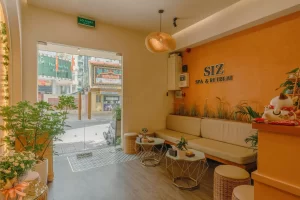
At Siz Spa, the atmosphere is intentionally calm — softer lighting, quieter treatment rooms, clean and minimal presentation. Nothing feels staged or performative. The pacing of the space matches the pacing of the treatment itself.
For a bodywork style that relies so heavily on rhythm and attention, that environmental consistency makes a genuine difference in how deeply the body responds.
Tips Before Your Shiatsu Session
Wear loose, comfortable clothing. Unlike oil massage, Shiatsu is performed over your clothes. Light, breathable layers work best.
Keep your meal light beforehand. Pressure work and gentle stretching are more comfortable on a lighter stomach.
Tell your therapist your preferences. Pressure should feel purposeful and firm — not painful. A good therapist will adjust to your comfort level throughout.
Allow some time afterward. Shiatsu creates a calm, slightly suspended sensation that benefits from a slow re-entry into the world. Build in at least 30 minutes before returning to busy activities.
Frequently Asked Questions
- What is Shiatsu massage? Shiatsu is a Japanese bodywork therapy that uses controlled finger, palm, and thumb pressure — along with gentle stretching — to improve circulation, reduce tension, and restore physical and mental balance.
- Does Shiatsu use oil? No. Shiatsu is performed over comfortable clothing without oils or lotions.
- Is Shiatsu massage painful? Not when done correctly. The pressure is firm but controlled. Some areas may feel more sensitive depending on accumulated tension, but discomfort should always be communicated to the therapist.
- How long is a session? Most sessions run 60–90 minutes. For first-time guests, 90 minutes allows the therapist to work through the full body without rushing.
- Is Shiatsu suitable for travelers? Yes — it’s particularly well-suited to the kind of combined physical and mental fatigue that travel creates. Many guests book a Shiatsu session specifically mid-trip rather than at the end, finding that it improves energy and presence for the days that follow.
- What makes Shiatsu different from regular massage? The primary difference is method and intention. Where traditional massage focuses on muscle manipulation through movement, Shiatsu works through sustained pressure, body alignment, and rhythm — with no oil and a significantly slower overall pace.
Final Thoughts
Some wellness experiences stay memorable because they feel luxurious. The ambient lighting, the scent, the elegant presentation — all the things that make a spa feel like an indulgence.
Others stay memorable because they change how your body feels for days afterward. Not dramatically, not dramatically — just quietly, sustainably better.
Shiatsu belongs firmly in the second category.
Its slower rhythm, deliberate pressure, and full-body approach create a treatment that feels especially valuable in a city like Ho Chi Minh City — where the stimulation is constant, the pace rarely relents, and a genuine moment of physical and mental stillness can feel almost radical.
At Siz Spa & Retreat in District 1, the Shiatsu experience has been carefully shaped for modern travelers: approachable, grounded, and genuinely restorative. Whether you’re mid-trip and flagging, or simply curious about Japanese-style wellness, it offers something that most spa treatments don’t quite manage.
Sometimes, the most valuable thing a city can give you is a room where you can finally stop for a while.
Spa for Expats in Saigon: Rhythm, Cost and Etiquette for a Long Stay
How residents use a spa for expats Saigon: shorter sessions booked more often, realistic monthly costs at District 1 rates, and etiquette for regulars.
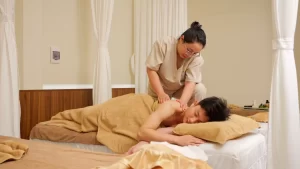
Massage Price Saigon vs Bangkok vs Bali: What an Hour Costs
Table of Contents A mid-range hour of massage costs broadly similar amounts in all three cities. On massage price Saigon vs Bangkok and Bali, Ho

Massage After a Walking Tour: 7 Fixes for Sore Legs
Booking a massage after a walking tour in Saigon? Here is which treatment suits which ache, when to go, and what a Cu Chi or Mekong day really does to you.
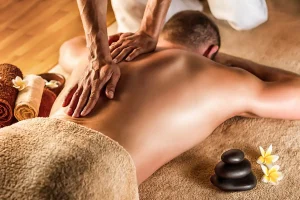
Layover Massage in Ho Chi Minh City: A Smart 6-Hour Plan
Long stopover at Tan Son Nhat? This layover massage in Ho Chi Minh City plan covers the timings, transfer times, luggage and which treatment fits your window.
Massage Package in District 1: Which One Fits Your Trip?
Choosing a massage package in District 1? Six combinations compared by trip length, travel companion and time available, with what each one actually includes.
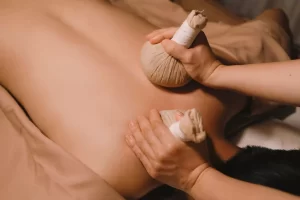
Herbal Compress Massage in Vietnam: 7 Things to Know First
A herbal compress massage uses steamed pouches of Vietnamese herbs and warm pressure. Here is what is inside them, how a 90-minute session runs and who it suits.