A seven-hour stopover at Tan Son Nhat is either a wasted afternoon in a food court or the best part of your journey. The difference is arithmetic. This is the timing, transfer and treatment plan for a layover massage in Ho Chi Minh City, worked backwards from your boarding call so you never once have to check your watch while lying face down.
Quick answer: You need a minimum of six hours between landing and departure to leave Tan Son Nhat for a layover massage in Ho Chi Minh City. Budget 60 minutes to clear immigration and reach District 1, 60 to 90 minutes for the treatment, 40 minutes to return, and be back at the terminal 2.5 hours before an international departure. Anything under five hours, stay airside. Anything over eight, you can add a package and still eat.
1. Is your layover long enough?
The honest maths, for an international-to-international connection:
| Layover length | Verdict |
|---|---|
| Under 5 hours | Stay airside. Not worth the risk. |
| 5 – 6 hours | Possible but tight. Foot massage only, taxi both ways, no meal. |
| 6 – 8 hours | The sweet spot. A 60 or 90 minute treatment plus a coffee. |
| 8 – 12 hours | A package, a proper meal, and a short walk. |
| 12 hours+ | Book a hotel room, and treat the massage as the centrepiece. |
Two adjustments. If you are connecting from an international arrival to a domestic departure, add time — you change terminals at Tan Son Nhat and that is a separate walk. And if you are travelling in peak hours, 7am to 9am or 4:30pm to 7pm, add 20 minutes to every road transfer in this article. Saigon traffic is not a rumour.
2. Before you plan anything: the entry question
A layover massage in Ho Chi Minh City means legally entering Vietnam. You clear immigration, you are in the country, and you re-check in for your onward flight when you come back.
That means you need whatever entry permission applies to your nationality — a visa exemption, an e-visa, or a visa on arrival with pre-approval, depending on your passport and how long you are staying. Rules change, they differ by nationality, and they are not something to take on trust from a blog post. Check the current requirements with the Vietnamese immigration authorities or your airline before you build a plan around leaving the airport. The official tourism portal at is a reasonable starting point for orientation.
If you cannot enter, everything below is moot, and you have saved yourself a very expensive mistake at the immigration desk.
3. Getting from Tan Son Nhat to District 1
Tan Son Nhat sits about 7 to 8 kilometres from the Pham Ngu Lao and Cong Quynh area of District 1 — closer to the centre than almost any major airport in Southeast Asia. That proximity is the entire reason a layover massage in Ho Chi Minh City is practical at all.
By taxi. 25 to 35 minutes off-peak, 45 to 55 in rush hour. Use the official taxi rank rather than anyone who approaches you in arrivals. Vinasun and Mai Linh are the established metered operators.
By ride-hailing app. Grab and Be work well here and remove the fare negotiation entirely. Download and set up the app before you land — doing it on airport wifi with a boarding call pending is not fun. Pickup points are signposted and are a short walk from arrivals.
By bus. Cheap, and slower than you want when a plane is involved. Skip it on a layover.
Budget the return leg generously. Traffic into the airport in the late afternoon is consistently worse than traffic out of it.
4. What to do with your luggage
Luggage is the one logistical snag in an otherwise simple layover massage in Ho Chi Minh City plan. If your bags are checked through to your final destination, you have nothing to carry and this is easy.
If you have collected your luggage — a self-transfer, a separate ticket, an overnight gap — you have three options:
- Left luggage at Tan Son Nhat. There are paid storage counters in both terminals. Fastest and simplest.
- Re-check early. If your onward airline’s counter is already open, check the bag and leave with only your carry-on.
- Bring it with you. Workable with one cabin bag. Message the spa ahead and ask if they can store it at reception during your treatment — most spas in District 1 will, but ask rather than assume.
Never leave a passport, boarding pass or phone in a stored bag. Keep those on you throughout.
5. Choosing a treatment for your layover massage in Ho Chi Minh City
Match the treatment to the time you actually have, not the time you wish you had. A layover massage in Ho Chi Minh City lives or dies on this choice.
60 to 90 minutes free: a foot massage. You stay dressed, you sit in a reclining chair, you leave without needing to shower. After a long-haul flight this is also the most useful thing you can do for legs that have been folded into an economy seat for eleven hours. See the for durations.
90 to 120 minutes free: a full body oil massage. A 60 or 90 minute signature or aroma treatment covers the back, shoulders and legs properly. Bear in mind you will leave with oil on your skin, so this suits travellers who can change into fresh clothes or who do not mind. The lists every option with its running time.
Two to three hours free: a package. A body massage plus a herbal hair wash is the combination most stopover guests choose, because you leave feeling and looking like you have not been on a plane. Options are on the .
Arriving off a red-eye and functioning badly? A head, neck and shoulders session with a herbal hair wash resets you more effectively than a third coffee. If you are crossing several time zones, read our too — the NHS also has practical advice on .
Not sure how long to book? Our breaks down what genuinely fits into 45, 60, 90 and 120 minutes.
6. A layover massage in Ho Chi Minh City: the 7-hour timeline
Say you land at 11:00 and your onward international flight departs at 18:00. Work backwards from the gate, not forwards from the plane.
| Time | What is happening |
|---|---|
| 11:00 | Wheels down |
| 11:15 – 11:50 | Immigration, and baggage if you have it |
| 11:50 | Cash from an ATM, SIM or eSIM active, ride-hailing app open |
| 12:00 | Leave the terminal |
| 12:30 | Arrive in District 1 |
| 12:40 – 14:10 | 90-minute treatment |
| 14:10 – 14:40 | Tea, change, a bowl of pho nearby |
| 14:50 | Leave for the airport |
| 15:30 | Back at Tan Son Nhat |
| 15:30 – 18:00 | Check-in, security, immigration, gate |
That leaves a 2.5-hour cushion at the airport, which is the right amount for an international departure and absorbs one bad traffic event without drama. If your flight is domestic, you can shave that to 90 minutes.
Two habits make this work. Book the treatment in advance with your flight number in the message, so the spa knows your hard stop — the and WhatsApp both work for this. And set an alarm for your departure from the spa, not for your flight.
7. What to do if it all goes wrong
A layover massage in Ho Chi Minh City has one real risk, and it is the road. Traffic can add half an hour without warning. Build the plan so that half an hour is survivable, and follow three rules:
- Never book the last available slot before your hard stop. Leave a gap.
- Tell the spa your flight time when you book. A spa that knows you fly at six will not let a session overrun to 16:30.
- If you are running late leaving the spa, shorten the treatment, not the airport buffer. Every therapist in District 1 has heard “I need to finish at three” before, and it is a normal request.
If you land delayed and the window has closed, message and cancel rather than trying to compress a 90-minute booking into 50. A rushed layover massage in Ho Chi Minh City is worse than no massage at all.
8. Frequently asked questions
How long a layover do I need for a massage in Ho Chi Minh City?
Six hours between landing and an international departure is the practical minimum. Five is possible with a short foot treatment and taxis both ways, but leaves no margin for traffic.
Is a layover massage in Ho Chi Minh City worth leaving the airport for?
With six hours or more, yes. The airport sits only 7 to 8 kilometres from District 1, the treatments cost a fraction of airside prices, and you board rested rather than stiff.
Is there a spa inside Tan Son Nhat airport?
There are airside services in the international terminal, but the choice, the space and the price are all better in District 1, which is only 7 to 8 kilometres away.
Do I need a visa to leave the airport during a layover?
You need whatever entry permission applies to your nationality, because you are formally entering Vietnam. Check the current requirements with immigration or your airline before planning.
How far is District 1 from Tan Son Nhat airport?
About 7 to 8 kilometres. Allow 25 to 35 minutes by road off-peak and up to 55 minutes in rush hour.
Can I leave my suitcase at the spa?
Many District 1 spas will store a cabin bag at reception during your treatment, but ask when you book. For larger luggage, use the paid left-luggage counters at the airport.
Which massage is best before a long flight?
A foot massage, or a session focused on the head, neck and shoulders. Both target what a plane seat does to you, and neither leaves oil on your skin.
Should I book ahead or walk in?
Book ahead. On a layover a full spa costs you the whole plan, and a booking with your flight number attached means the spa manages the clock with you.
Siz Spa is on 154 Cong Quynh Street in District 1, roughly half an hour from Tan Son Nhat outside rush hour, and we are used to guests on a countdown. Tell us your flight time when you and we will build the session around it.

Spa for Expats in Saigon: Rhythm, Cost and Etiquette for a Long Stay
How residents use a spa for expats Saigon: shorter sessions booked more often, realistic monthly costs at District 1 rates, and etiquette for regulars.
Massage Price Saigon vs Bangkok vs Bali: What an Hour Costs
Table of Contents A mid-range hour of massage costs broadly similar amounts in all three cities. On massage price Saigon vs Bangkok and Bali, Ho

Massage After a Walking Tour: 7 Fixes for Sore Legs
Booking a massage after a walking tour in Saigon? Here is which treatment suits which ache, when to go, and what a Cu Chi or Mekong day really does to you.
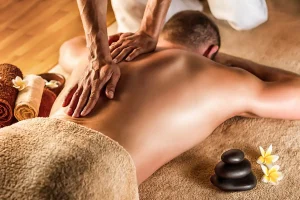
Layover Massage in Ho Chi Minh City: A Smart 6-Hour Plan
Long stopover at Tan Son Nhat? This layover massage in Ho Chi Minh City plan covers the timings, transfer times, luggage and which treatment fits your window.
Massage Package in District 1: Which One Fits Your Trip?
Choosing a massage package in District 1? Six combinations compared by trip length, travel companion and time available, with what each one actually includes.
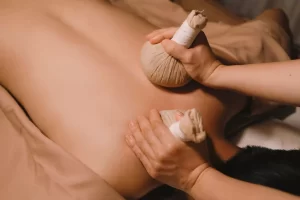
Herbal Compress Massage in Vietnam: 7 Things to Know First
A herbal compress massage uses steamed pouches of Vietnamese herbs and warm pressure. Here is what is inside them, how a 90-minute session runs and who it suits.