
How long should a massage be? Sixty minutes suits most people. Ninety minutes is the best value for genuine full-body work, 45 minutes makes sense when one area needs attention, and anything past two hours is really a package of several treatments rather than a single massage.
Quick answer: how long should a massage be for most visitors to District 1
The 60-minute booking has become the default in central Ho Chi Minh City for a practical reason. It is long enough for a therapist to cover the whole body once at a steady pace, and short enough to fit before dinner or after a day of walking. It is not long enough for anything to be worked thoroughly. A booked hour buys roughly 50 to 55 minutes of hands-on time once greeting, changing and a short consultation are subtracted, and spreading that across back, legs, arms, shoulders and feet leaves only a handful of minutes per region.
Ninety minutes changes the arithmetic completely. The extra half hour is spent almost entirely on the table, which is why it is the length most therapists suggest when a guest mentions a stiff neck, a long-haul flight or a week of sightseeing on foot. Forty-five minutes works best as a targeted session rather than a compressed full-body one. Two hours and beyond usually means a sequence of treatments, and the description is worth reading closely to see how those minutes are divided. For the wider comparison of styles, spas and price points in the area, the District 1 massage guide covers the ground this article assumes.
What actually fits into 45, 60, 90, 120 and 180 minutes
Duration decides scope, not skill. A therapist working for 45 minutes is not working worse than one booked for 90; there is simply less room, so something has to give — either coverage or depth. The table below sets out what each length realistically delivers, based on how treatments are structured across District 1 spas.
| Duration | What is realistically covered | Who it suits | What gets rushed or dropped |
| 45 minutes | One or two regions worked properly: back and shoulders, head-neck-shoulders, or feet and lower legs | Tight schedules, a first visit to an unfamiliar spa, one specific ache | Everything outside the chosen area; a full-body request at this length becomes a fast circuit |
| 60 minutes | The whole body once, at a moving pace: back, legs, arms, shoulders, feet, plus a few minutes on the scalp | Most travellers on most days; the standard general reset | Detail. Roughly 8 to 10 minutes per region, and stubborn spots rarely get a second pass |
| 90 minutes | Full body, plus 15 to 25 concentrated minutes on the area that needs it and time to return to it | Anyone with a specific complaint, anyone slow to relax, arrival and departure days | Very little; this is where coverage and depth stop competing |
| 120 minutes | An unhurried full body with generous time on feet, hands and scalp, or a massage combined with a second treatment | People who genuinely enjoy long treatments and have a free afternoon | Attention span, for some; restlessness in the final half hour is common |
| 180 minutes and up | A sequence of treatments with changeover time between them, rather than one continuous massage | A planned spa half-day, a rainy afternoon, a long layover | Spontaneity; these need advance booking and a cleared block of time |
Siz Spa runs treatments from 45 to 180 minutes across these formats, from a single full-body mix massage blending Thai, Swedish, aroma and hot-stone elements through to multi-treatment sequences. One caveat applies everywhere: the same number of minutes buys different amounts of work at different spas, because some count the session from the appointment time and some from the moment hands touch skin. That difference is worth a question at the booking stage.
The arithmetic nobody explains: booked minutes are not hands-on minutes
A booked hour is never 60 minutes of massage. Arrival, a short conversation about pressure and any areas to avoid, changing, and settling on the table take time at the start; getting up, dressing and coming back to street pace take a few more minutes at the end. Five to ten minutes is a normal loss, sometimes more when a spa is busy or when the guest and therapist are working across a language gap. That is not a complaint about spas — it is simply how appointments work, and it explains why a 60-minute full-body session moves at the pace it does.
Inside the treatment itself, more small subtractions apply. Turning over midway costs a minute or two. Oil is applied region by region. Most therapists open with a broad warming pass before doing anything targeted, which means an hour is mostly that first pass, while the second pass — the one that actually addresses a tight shoulder — is what the extra 30 minutes of a 90-minute booking pays for.
Two practical consequences follow. Arriving five to ten minutes early protects the full session, because most spas in the area run appointments back to back and a late arrival usually shortens hands-on time rather than pushing the finish. And when a booking is made, it is reasonable to ask what the stated duration includes; the guide to booking a massage in District 1 covers the phrasing that gets a straight answer, and Siz Spa lists durations against each treatment on its booking page.
Why 90 minutes is the point where a therapist can work an area properly
Ninety minutes is the length that stops forcing a choice. A therapist can cover the body once, then come back to the region that needs work with 15 to 25 minutes of concentrated attention, and still finish the legs and feet without hurrying. Muscle tissue tends to respond to repetition rather than force, so a second and third pass at moderate pressure often achieves more than a single hard one — which is precisely what an hour cannot accommodate.
Honesty matters here. Research on massage is largely made up of small studies, and there is no evidence that a particular number of minutes produces a particular outcome; the US National Center for Complementary and Integrative Health describes the benefits as real for many people but modest and often short-lived. What can be said with confidence is structural rather than clinical: 30 extra minutes is 30 extra minutes of hands on the body, and it removes the need to hurry.
Ninety minutes also suits people who take a long time to settle. Some guests are still mentally sorting out the day 20 minutes in. For them, an hour ends around the point they have properly relaxed, while a longer session gives that first stretch away without cost. The trade-off is straightforward: it costs more, and it eats a bigger hole in a sightseeing day.
When shorter is smarter than a rushed full-body hour
Forty-five minutes is not a lesser version of an hour. It is a different booking, and for some situations it is the better one. A guest with a headache and a stiff neck after a long bus journey generally gets more from a focused head, neck and shoulder session than from a full-body hour in which the neck receives eight minutes. The same logic applies to feet after a day of walking Ben Thanh Market and the streets around it: a dedicated foot massage at 45 or 60 minutes does more for sore soles and calves than a general session that reaches them last, when the clock is running out.
Time constraints argue the same way. A 45-minute treatment slots into the gap before a dinner reservation or a night bus, and it leaves no sense of having paid for minutes spent watching the ceiling. Vietnamese herbal hair washing, offered as a head spa in District 1, works in a similar window and appeals to travellers who want something restorative without undressing for a table treatment.
The trade-off should be stated plainly: a 45-minute booking described as full body is usually a false economy. Coverage at that speed is superficial, and the result is a session that touched everything and changed nothing. Shorter works when it is focused. It does not work when it is compressed.
Multi-hour packages: what a three-and-a-half-hour sequence involves
How long should a massage be when an entire afternoon is free? At that point the question changes shape, because anything beyond two hours stops being a single massage and becomes a programme. Siz Spa offers named sequences, including the Mission Impossible Relaxation Retreat, which runs about three and a half hours, and The Melt Away Journey; the current composition of each is set out on the packages page. In general terms, a long sequence combines a massage with one or more additional treatments — a body scrub, a facial, or a herbal hair wash — with a few minutes of changeover between elements and a short rest at the end.
Who actually enjoys that? People who have deliberately set the time aside. A half-day at a spa works when it is the plan for the afternoon rather than an item squeezed between a museum and a flight, which is why these bookings suit rainy afternoons, recovery days and long layovers. The idea is explored in more detail in the guide to a half-day spa in District 1
The opposite case deserves equal weight. Guests who start fidgeting after an hour on a table rarely relax more by staying on it for three, and a long sequence bought as a treat can end up feeling like an obligation. These bookings also need planning, because they occupy a room for most of an afternoon and sometimes two therapists, and they cannot be started late in the evening. Siz Spa is open daily until 22h15, so a three-and-a-half-hour booking has to begin well before closing.
How to decide in under a minute
The decision comes down to two questions: what needs attention, and how much time is genuinely free once travel to and from the spa is counted. Siz Spa sits at 154 Cong Quynh Street, about five minutes on foot from Bui Vien Walking Street and eight to ten from Ben Thanh Market, so the door-to-door overhead for guests staying in the Pham Ngu Lao area is small — but it is not zero, and it belongs in the calculation.
| If the goal is | And the free time is | The sensible booking is |
| A general reset, nothing specific hurts | About 90 minutes | 60-minute full body |
| A stiff neck, shoulders or lower back | About 2 hours | 90 minutes, with time concentrated on that area |
| Sore feet after a day of walking | About 1 hour | 45 or 60-minute foot massage |
| Headache, screen strain, trouble sleeping | About 1 hour | 45 or 60-minute head, neck and shoulder session |
| Recovery after a long flight | About 2 hours | 90 minutes |
| A deliberate day off, or heavy rain | Half a day | A multi-treatment package |
When the choice is still unclear, describing the problem rather than naming a duration tends to produce a better booking. A message on WhatsApp saying that the shoulders have been tight for three days and there are two free hours before dinner will get a more useful recommendation than a request for “90 minutes of something”.
Frequently asked questions
How long should a massage be for a first-time visitor?
Sixty minutes is the safest first booking. It is long enough to judge a spa’s pressure, cleanliness and room standards without committing a large part of the day, and short enough that a poor match costs little. When one area already hurts, a 45-minute session focused on that area often does more than a hurried full-body hour at the same price point.
Is a 90 minute massage worth it compared with 60?
For most people with a specific complaint, yes. The extra 30 minutes are almost entirely hands-on, so they buy concentrated work on one region plus a return pass, which a 60-minute full-body session cannot fit. For a general reset with no particular problem area, an hour is usually enough, and the additional spend is optional rather than obviously better.
Does a 60-minute massage cover the whole body?
Yes, but briefly. A standard hour covers back, legs, arms, shoulders and feet, with a few minutes on each and little repetition. Nothing is skipped, and nothing receives sustained attention either. Travellers who want the back or shoulders worked properly generally have to give up full coverage or move up to 90 minutes.
How long is too long for a massage?
Beyond about two hours, many people stop relaxing and start noticing the table. Comfort, hydration and attention span all decline. Longer bookings work best when they are structured as a sequence of different treatments with short breaks, rather than one continuous massage. Anyone who feels lightheaded, overheated or sore during a session should say so rather than waiting it out.

Does arriving late shorten the massage?
Usually, yes. Most District 1 spas run appointments back to back, so a late arrival shortens hands-on time instead of pushing the finish. Arriving five to ten minutes early protects the full session. When a delay is unavoidable, a message before the appointment sometimes allows the spa to move the slot or suggest a shorter treatment that still fits.
What is the best massage length after a long flight?
Sixty to 90 minutes suits most arrivals. Ninety gives a therapist time to work shoulders, hips and calves stiffened by hours in a seat, while 60 is enough when sleep matters more than thoroughness that evening. Very long sessions on arrival day often backfire, because fatigue turns into restlessness partway through and the final hour is wasted.
Is it better to book two shorter massages or one long one?
Two 60-minute sessions on different days tend to help more than a single two-hour booking, particularly for stiffness that builds up while travelling. Muscles respond to repetition, and a second visit lets a therapist adjust pressure based on how the first one felt. One long session is the better choice when the schedule allows only a single visit.
How far ahead should a 90-minute or longer session be booked?
Same-day booking is often possible off-peak, and walk-ins have reasonable odds in the late morning and early afternoon. Longer treatments occupy a room for most of a shift, and four hands massage or a multi-treatment package ties up two therapists, so evenings and weekends fill first. A day or two of notice is sensible for anything over 90 minutes.

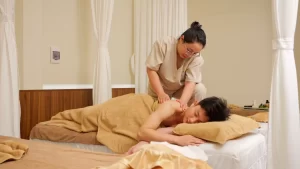
Massage Price Saigon vs Bangkok vs Bali: What an Hour Costs
Table of Contents A mid-range hour of massage costs broadly similar amounts in all three cities. On massage price Saigon vs Bangkok and Bali, Ho

Massage After a Walking Tour: 7 Fixes for Sore Legs
Booking a massage after a walking tour in Saigon? Here is which treatment suits which ache, when to go, and what a Cu Chi or Mekong day really does to you.
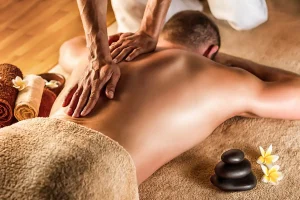
Layover Massage in Ho Chi Minh City: A Smart 6-Hour Plan
Long stopover at Tan Son Nhat? This layover massage in Ho Chi Minh City plan covers the timings, transfer times, luggage and which treatment fits your window.
Massage Package in District 1: Which One Fits Your Trip?
Choosing a massage package in District 1? Six combinations compared by trip length, travel companion and time available, with what each one actually includes.
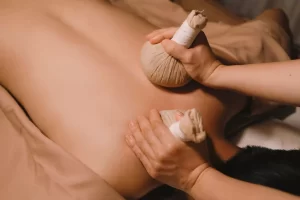
Herbal Compress Massage in Vietnam: 7 Things to Know First
A herbal compress massage uses steamed pouches of Vietnamese herbs and warm pressure. Here is what is inside them, how a 90-minute session runs and who it suits.
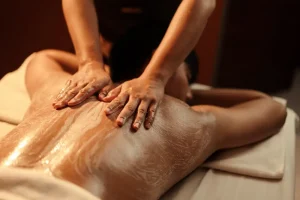
Best Body Scrub for Your Skin: Rice Bran, Coffee or Salt?
Rice bran, coffee or pink salt? Here is how to choose the best body scrub for your skin type in Ho Chi Minh City and what a 60-minute session involves.